The best Hill Country wineries for your first Texas wine tour.
Planning your first Hill Country wine tour? Here is where to go, how many stops to make, and how to actually enjoy the day instead of driving it.
By Steven Richardson6 minute read
Texas Hill Country has more than a hundred places to taste wine, which is wonderful news for your fourth visit and completely paralysing for your first. This is the short version: where to start, how many stops to make, and the handful of decisions that separate a great day from an expensive one.
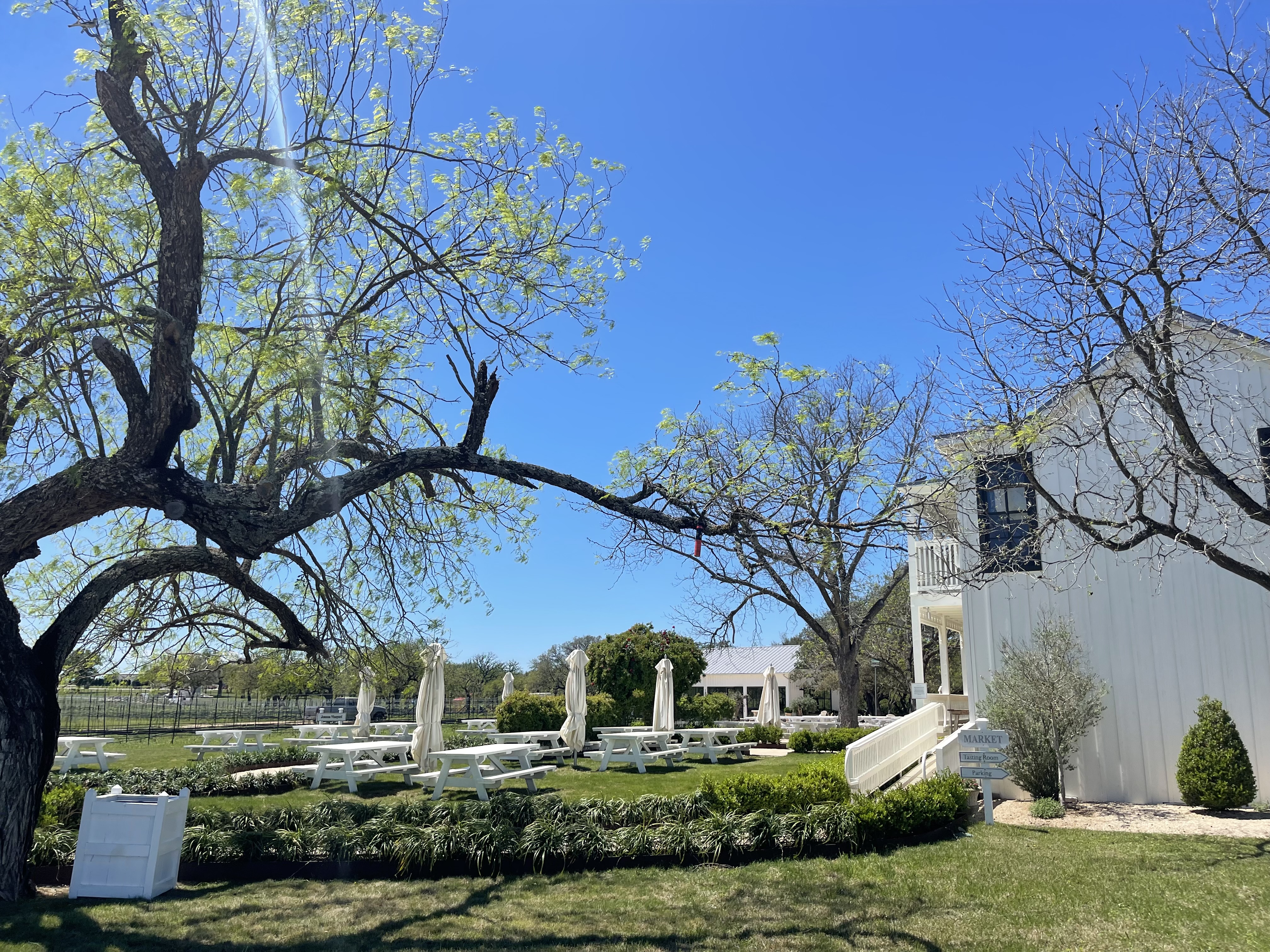
Small rooms, unhurried pours. The Wimberley and Driftwood corridor is the gentlest introduction to Texas wine.
First, pick a corridor. Not a list.
The single most common first timer mistake is building a list of wineries from three different parts of the Hill Country and discovering on the day that they are ninety minutes apart. Texas wine country is not a village. Pick one corridor and go deep.
Wimberley and Driftwood
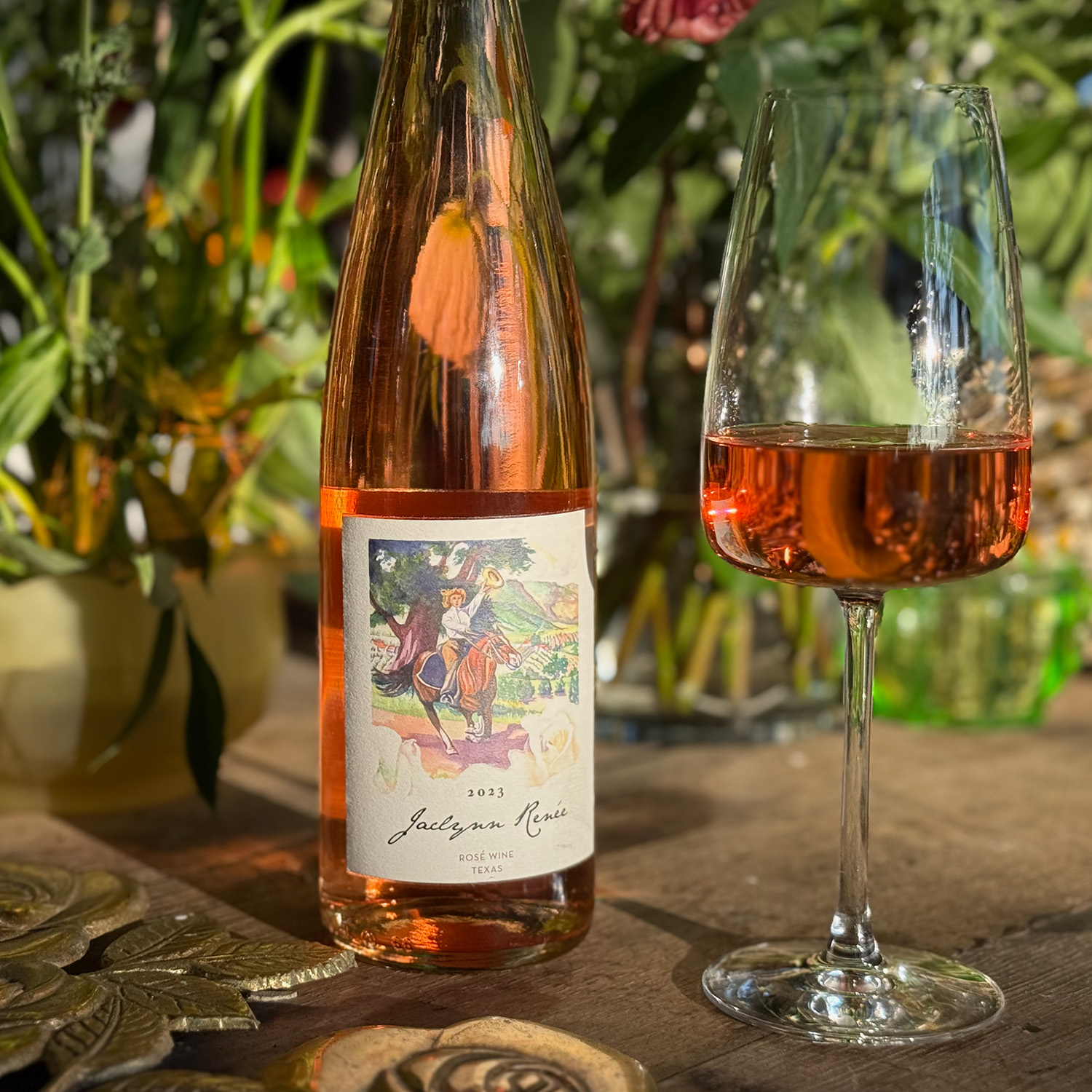
The easiest first tour, and the one we run most. The tasting rooms sit ten to twenty five minutes apart, the pace is unhurried, and it is close enough to Austin and San Antonio that the drive does not eat the day. Jaclynn Renee Wines, Wimberley Valley Winery and Driftwood Winery make a natural three stop route with real variety between them. Tastings here run around $25 a head.
Fredericksburg, Stonewall and Hye
The famous stretch, along Highway 290. Bigger names, bigger rooms, and the highest concentration of wine in the state. It is worth the drive, but it is a full day out rather than an afternoon, and on an autumn Saturday it is busy in a way that surprises people. Reserve tastings here run closer to $40 a head. Sandy Road Vineyard, Charleston Taylor and William Chris are the three we build around.
Dripping Springs and Austin
The hybrid option. Wineries, breweries and distilleries in the same twenty minute radius, which makes it the right answer for a group that cannot agree. It is also the easiest to reach if people are flying in.
If you only remember one thing: three stops, one corridor, five hours. Everything else is preference.
Why three stops and not five
A proper tasting is five or six pours with someone talking you through them, and that takes an hour if it is any good. Add fifteen to twenty five minutes of driving between properties, a stop for food, and the ten minutes at each place where somebody is buying a case. Three stops fills five hours comfortably. Four turns the day into a schedule and you spend it watching the clock. Five is a bus tour.
There is a second reason. By the third tasting most people have had the equivalent of a bottle and a half of wine spread over an afternoon. The fourth room is the one nobody remembers, and it is also where the largest wine club sign up happens, which is not a coincidence.
What a first tour actually costs
Wimberley corridor
Fredericksburg corridor
Tastings, per person, three stops
About $25 each
About $40 each
Bottles, if you buy at every stop
$90 to $150
$120 to $220
Food
Bring a board or stop once
Same, but more options on 290
Getting around, per group
From $250 for five hours
From $250 for five hours
Winery prices move. These are the ranges we see, not quotes.
Six things that make the day better
Book ahead for six or more. Most Hill Country tasting rooms require a reservation for a group that size, and the good ones fill up two or three weeks out in spring and autumn.
Eat before the first pour, and again in the middle. The most common way a wine day goes wrong is nobody eats until three o'clock.
Use the spit bucket, or do not, but decide. Nobody judges you either way. The people who do neither are the ones asleep in the van at stop three.
Ask what is grown here. Texas grows Tempranillo, Mourvedre, Sangiovese and Viognier beautifully. The rooms pouring Texas fruit are proud of it and will tell you the whole story if you ask.
Bring a cooler. Anything you buy sits in a hot car for the rest of the day otherwise, and heat is the fastest way to ruin a bottle you just paid for.
Sort the driving first. Everything above assumes nobody in your group is doing arithmetic about how much they have had.
Getting around, honestly
Rideshare is unreliable out here and effectively nonexistent on the return leg. That leaves three real options. Somebody stays sober, which means one person pays for the day and does not get one. You book a vehicle with a driver in it. Or you book a designated driver who takes the wheel of your own car, which starts at $250 for a five hour block for the whole group and is the least expensive serious way to do it.
Whichever you choose, choose it before you book the tastings. The route determines what is possible, not the other way around.
Five hours, three stops, and nobody counting their pours.
A first tour that works, start to finish
Eleven o'clock pickup at your lodging. First tasting at half past eleven while everyone is fresh and the room is quiet. Food around one, either a board at the second stop or a proper stop on the way. Third tasting at two thirty, which is the one people linger at. Home by four with a case in the back and the whole evening still ahead of you.
That is the Wimberley Valley Wine Tour more or less exactly, and it is the shape we would recommend to anyone doing this for the first time.
First wine tour questions
How many wineries should you visit in one day in the Hill Country?
Three. A seated tasting takes about an hour, the driving between properties runs fifteen to twenty five minutes, and food has to happen somewhere. Three stops fill five hours at a pace that still feels like a day out. Four becomes a timetable, and by the fourth room most people have stopped tasting and started drinking.
Do you need reservations for Texas Hill Country wineries?
For a couple on a weekday, often not. For six or more, almost always, and many rooms will not seat a group at all without one. In spring and autumn the good slots go two or three weeks ahead. If you are booking a tour with us we handle the reservations, because a group turning up unbooked on a Saturday is the fastest way to lose an hour.
How much does a wine tasting cost in the Texas Hill Country?
Roughly $25 a head in the Wimberley and Driftwood corridor and closer to $40 for reserve tastings around Fredericksburg. Some rooms waive the fee if you buy a bottle or join their club. Budget for tastings plus whatever you take home, and remember that most people buy more at the last stop than the first.
Which Hill Country wine region is best for a first visit?
Wimberley and Driftwood, for most people. The tasting rooms are close together, the pace is relaxed, the staff have time to teach you something, and the drive from Austin or San Antonio is short enough that the day is about the wine rather than the highway. Fredericksburg is the bigger name and worth a full day once you know what you like.
What wine is Texas known for?
Warm climate varieties, mostly. Tempranillo, Mourvedre, Grenache, Sangiovese and Viognier do genuinely well here, and a good tasting room will steer you to what actually grows in Texas rather than what sells. Ask which wines are made from Texas fruit and which are not. The answer tells you a lot about the room you are standing in.
Can you do a Hill Country wine tour without driving?
Yes, and you should. Either book a vehicle with a driver, or book a designated driver who drives your own car from $250 for a five hour block for the group. Rideshare coverage out here is thin and close to useless for the leg home, so the plan cannot be to sort it out later.